If I hear one more developer promise a "fast turnaround" on a 200,000-square-foot industrial facility without clarifying what that actually means in weeks, I might just walk off the job site. In my twelve years in this industry—starting as a https://www.build-review.com/how-nearshoring-is-driving-demand-for-prefabricated-steel-warehouses-in-mexico/ project coordinator for a developer and moving into writing about the sector—I’ve seen too many clients get burned by vague timelines. When you look at the supply chain shifts, especially with big players like Ford or logistics giants connected to Union Pacific rail hubs, the pressure to get a building operational is immense. But physics, permitting, and MEP integration don’t care about your quarterly earnings call.
I’ve written for BUILD Magazine about the "nearshoring boom," and if there is one thing that causes more heartbreak than anything else, it’s the assumption that MEP (Mechanical, Electrical, and Plumbing) fit-out is just a matter of "plug and play." It isn’t. Here is the reality of why these projects drag, how to manage the timeline, and why you need to stop ignoring the nitty-gritty of industrial specs.
The Reality Check: The MEP Timeline Breakdown
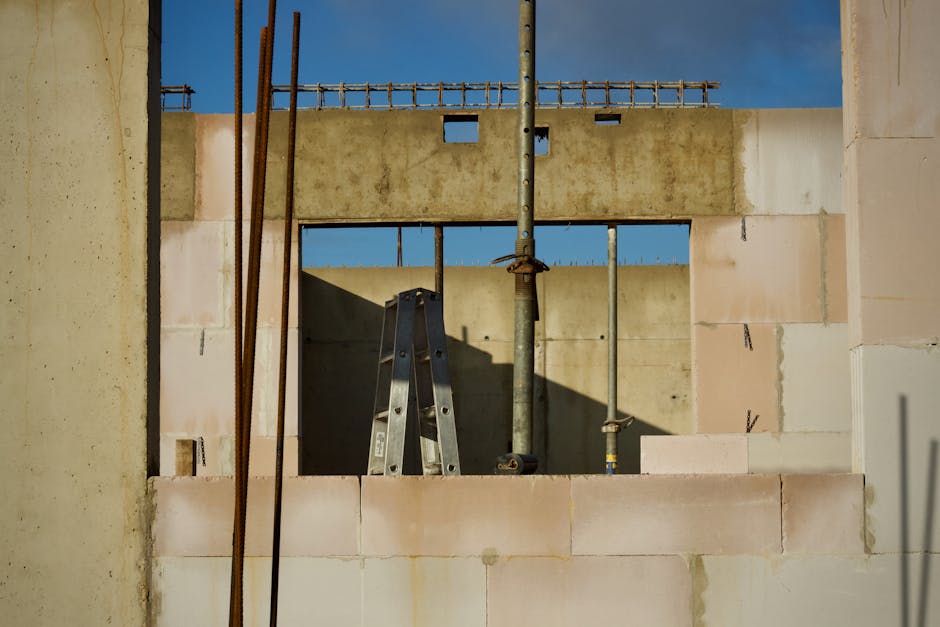
Before we even get to the MEP rough-in, the base building has to be ready. If you’re pushing for a schedule, you need to understand that the shell and the tenant improvements (TI) are two different beasts. On a standard, modern speculative warehouse, the MEP rough-in alone typically demands a 4 to 8-week window. That is not just "hanging wires"; it is coordination between trades, inspections, and pressure testing.
When I work with clients, I insist on breaking the schedule into these phases to keep reality in check:
- Phase 1: Pre-Construction & Documentation (4-6 weeks): This involves translating process equipment layout planning into MEP drawings. If you are working on cross-border projects, this requires high-quality, bilingual project documentation. Without it, you are asking for site errors that will cost you weeks of rework. Phase 2: Base Building MEP/Shell (8-12 weeks): Bringing power to the site, main switchgear, fire suppression mains, and drainage systems. Phase 3: MEP Rough-in (4-8 weeks): Installing branch piping, electrical conduits, and ductwork within the tenant’s specific footprint. Phase 4: Equipment Hook-up & Commissioning (4-6 weeks): This is the phase that always gets underestimated. Connecting automated systems or heavy machinery is not a one-day job.
The Nearshoring Factor: Mexico and Seismic Engineering
We are seeing a massive uptick in facility construction in regions like Sonora. While the urgency to support the North American supply chain is understandable, you cannot skip engineering due diligence. Unlike a flat-site build in the Midwest, Sonora requires specific attention to NMX (Normas Mexicanas) standards regarding seismic and wind engineering.
If your warehouse is rated for heavy equipment or high-pile storage, those seismic requirements dictate everything from the thickness of your slab to the rigidity of your steel connections. You cannot fit-out MEP systems that haven't been engineered for seismic bracing. If you try to fast-track the mechanical rough-in without the correct seismic hangers for your ductwork, you will be told to rip it all out during the first inspection. That is not a "delay"; that is a failure in the initial planning phase.
Critical Specs That Impact Your Schedule
Before you sign a lease or a build-to-suit contract, ensure these specs are defined. Vague specs lead to change orders, and change orders lead to MEP delays.
Why "Fast Turnaround" is a Corporate Buzzword
Stop using the term "fast turnaround." It means nothing. When you manage cross-border projects, you are likely using advanced project management tools (software-driven platforms) to track real-time submittals. These tools allow you to see exactly where the bottleneck is. If the MEP contractor is waiting on a piece of process equipment from overseas, the "timeline" is irrelevant. You need to focus on lead times for switchgear, VFDs (Variable Frequency Drives), and fire pumps.
I have seen projects grind to a halt because the owner decided to change the process equipment layout planning after the electrical rough-in was 70% complete. That isn't a contractor speed issue; that’s an owner decision-making issue.
The Checklist for a Successful Fit-out
If you want to keep your tenant improvements timeline under control, stop guessing and start checking. Use this list as your minimum standard:
Verify the Load Requirements: Do not guess the kVA. Have the final process equipment layout planning signed off by the process engineers before the MEP team starts a single conduit run. Bilingual Communication: Ensure all project documentation is bilingual. In cross-border construction, the "translation" of technical drawings happens in the head of the tradespeople. If the document isn't in their native language, they will deviate from the spec. Inspection Buffers: Always bake an extra 2 weeks into the schedule for the local authority’s inspection process. Never schedule the "move-in" day for the same week as the final occupancy permit inspection. Standardize MEP Rough-ins: Use pre-fabricated conduit assemblies where possible. It takes the variable of "labor speed" out of the equation.Final Thoughts
Building for a major tenant, or aligning with a rail infrastructure project like those linked to Union Pacific, requires absolute precision. When you see someone claiming they can finish an MEP fit-out "quickly," ask them for a day-by-day schedule of the rough-in. Ask them when the switchgear arrives on site. Ask them about the seismic bracing requirements for the NMX codes. If they can’t answer those, they aren’t a logistics expert—they’re just a salesperson.
The MEP phase is where the building actually starts to work. It’s where the "industrial" part of "industrial property" happens. Respect the physics, respect the lead times, and stop pretending that complex mechanical systems can be installed in a weekend. Your project will be better for it.