I have spent twelve years in the North Texas trenches of residential real estate. I’ve sat at kitchen tables across DFW watching homeowners be blindsided when their dream house—the one with the perfect staging and the "recently updated" kitchen—suddenly turns into a pile of transaction fallout. Why? Because of the one thing nobody wants to look at: the roof.
Whenever a client shows me a listing, the first thing I ask is: "What will the inspector write up?" If I’m looking at the roof and seeing curling shingles, granule loss, or signs of improper venting, I don't care how beautiful the hardwood floors are. If the roof is on my "Deal-Killer" list—right alongside HVAC and foundation—the transaction is already walking on eggshells.
In this business, "curb appeal" is just a lure. A functional, sound roof is the actual barrier to entry. If you ignore it, you’re just inviting a massive bill at the worst possible roofing company McKinney Texas time: right before closing.
The Inspection Trigger: Why Deals Die on the Roof
In North Texas, we have a unique relationship with the elements. We deal with scorching triple-digit summer heat, followed by sudden, violent hailstorms that can strip a roof bare in minutes. Most buyers don’t see these impacts when they walk through a house for an open house on a sunny Sunday. They see the cosmetic finishes.
However, the home inspection acts as the great equalizer. When an inspector climbs onto that roof, they aren't looking at the aesthetic appeal. They are looking at the buyer risk assessment. They are checking for:
- Evidence of previous hail impact (bruised shingles). Improper flashing around chimneys or vent pipes (the most common cause of interior leaks). Shingle age vs. physical condition. Ventilation issues that prematurely age the decking.
When an inspector flags these items, the buyer’s major repair fear kicks in. Suddenly, a $15,000 to $25,000 expense is sitting on the negotiating table. If the seller hasn't prepared for this, the deal usually hits a wall. I see it on forums like ActiveRain all the time—experienced agents sharing stories of near-closings collapsing because the roof was "fine" until the inspector proved it wasn't.
Insurance Underwriting: The Silent Killer of Closings
It’s not just about the buyer anymore. The insurance industry has changed drastically in Texas over the last five years. It used to be that you could get a policy on almost any home. Now, insurance underwriting is incredibly strict regarding roof age and condition.
Many insurance carriers in Texas will refuse to write a policy on a home if the roof is more than 15-20 years old, or they will force the buyer into an Actual Cash Value (ACV) policy rather than Replacement Cost Value (RCV). This creates a massive financial gap that can kill a loan approval.
When a buyer finds out their insurance premiums will be doubled—or that they might not get coverage at all because the roof is nearing the end of its life—they walk. Period. If you are selling your home, you need to understand that your roof is now a financial instrument, not just shelter.
Texas Climate: The Reality of Our Environment
If you live in North Texas, you know that "standard" roof life expectancy doesn't apply here. The sun bakes the shingles, making them brittle, and the wind/hail cycles break them. I get annoyed when I see listings describe a roof as "fine" or "recently updated" with absolutely no dates or documentation to back it up.
Vague language doesn't hold up in an inspection report. If you don't have a receipt, a permit, or a certification, it might as well not exist. If you’re unsure about your roof's integrity, you need a professional assessment. I always point my clients toward companies like Fireman’s Roofing Texas. You need a company that understands the specific demands of our climate and can provide documentation that actually means something to an inspector or an insurance adjuster.
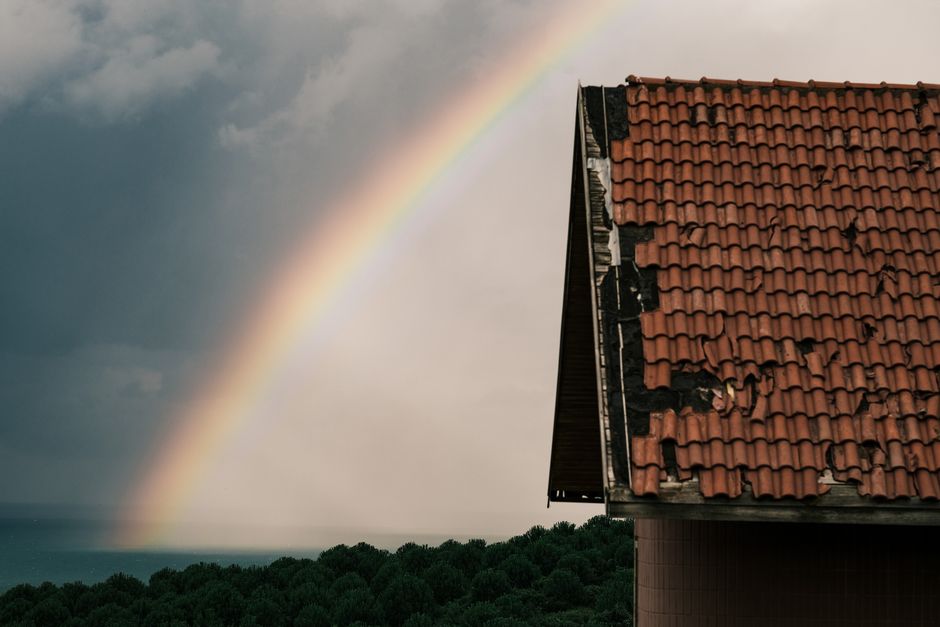
Following guidance from agencies like the Federal Emergency Management Agency (FEMA) regarding disaster preparedness also highlights why structural integrity matters. FEMA’s resources on roof mitigation aren't just for commercial buildings; they are for every homeowner who wants to ensure their structure can survive the next storm season without a claim catastrophe.
How to Avoid Transaction Fallout
You can avoid the stress of a failed inspection if you get ahead of the problem. Don't wait for the buyer’s inspector to tell you your roof is shot. Be proactive.
Steps to Prepare Your Roof for Sale:
Get a Pre-Listing Check: Hire a reputable local company like Fireman’s Roofing Texas to inspect the roof before you go live on the MLS. If there is storm damage, involve your insurance provider early. Organize Your Paperwork: If you replaced the roof in 2018, have the invoice ready. If you had repairs done, keep the receipts. Documentation is your best friend in a negotiation. Be Honest About the Age: Don't leave it to the buyer to guess. If the roof is 18 years old, be prepared to offer a credit or be ready to negotiate a price reduction. Transparency keeps the deal alive; obfuscation kills it. Address the "Vague" Terms: Remove phrases like "recently updated" unless you have the documentation to prove it. If you mean "I patched a leak in 2022," say that.Final Thoughts: Why Transparency Wins
My philosophy is simple: I’d rather lose a deal in the first week because a seller refuses to address a bad roof than spend 30 days under contract only for the whole thing to blow up during the option period. Transaction fallout is expensive for everyone involved.
When you take the time to document your roof's condition, provide proof of maintenance, and address issues before the inspector ever steps foot on your property, you aren't just selling a house. You are selling peace of mind. And in the North Texas market, that is exactly what buyers are looking for.
Before you list, look up. If you don't like what you see, stop and fix it. Because I promise you, the inspector will be looking at it too—and they will be writing it up.